
- Home
-
Products
-
Hydraulic Breaker Seal Kit
- Diaphragm for Hyd. Breaker
- Seal Kit for Furukawa Breaker
- Seal Kit for Soosan Breaker
- Seal Kit for General Breaker
- Seal Kit for Atlas Copco Breaker
- Seal Kit for Daemo Breaker
- Seal Kit for Toku Breaker
- Seal Kit for Everdigm Breaker
- Seal Kit for Rammer Breaker
- Seal Kit for NPK Breaker
- Seal Kit for Konan Breaker
- Seal Kit for HDB Breakers
- Seal Kit for Montabert Breaker
- Seal Kit for Fine Breaker
- Seal Kit for Krupp Breaker
- Seal Kit for OKADA Breaker
- Seal Kit for CAT Hammer
- Seal Kit for MSB Breaker
- Seal kit for HUSKIE Breaker
- Seal Kit for TOYO Breaker
- Seal Kit for KCB Breaker
- Seal Kit for TELEDYNE Breaker
- Seal Kit for STANLY Breaker
- Seal Kit for TEISAKU Breaker
- Seal Kit for SANDVIK Breaker
- Seal Kit for CHICAGO Breaker
- Seal Kit for CASE Breaker
- Seal Kit for VOLVO Breaker
- Seal Kit for KOMAC Breaker
- Seal Kit for GIANT Breaker
- Seal Kit for MIRACLE Breaker
- Seal Kit for JISUNG Breaker
- Seal Kit for D&A Breaker
- Seal Kit for DAEWOON Breaker
- Seal Kit for BOOHUNG Breaker
- Seal Kit for BEILITE Breaker
- Seal Kit for TAESUNG Breaker
- Seal Kit for MAJESTA Breaker
- Seal Kit for EDT Breaker
- Seal Kit for REDOX Breaker
- Seal Kit for POWERKING Breaker
- Seal Kit for T&H Breaker
- Seal Kit for KWANGLIM Breaker
-
Excavator Hydraulic Seal Kit
- Seal Kit for Komatsu Excavator
- Seal Kit for Caterpillar Excavator
- Seal Kit for Volvo Excavator
- Seal Kit for Hyundai Excavator
- Seal Kit for Hitachi Excavator
- Seal Kit for Kobelco Excavator
- Seal Kit for Sumitomo Excavator
- Seal Kit for Doosan Daewoo
- Seal Kit for JCB Excavator
- Seal Kit for Kato Excavator
- Other
- Backhoe Loader Seal Kit
- Hydraulic Pump Seal Kit
- Hydraulic Motor Seal Kit
- Hydraulic Breaker Diaphragm
- Valve Rubber
- Polyurethane Damper
- Hydraulic Breaker
-
Hydraulic Breaker Seal Kit
- About Us
- R&D
- Application
- Raw Material
- News
- Contact Us
- Login




































NEWS
How to Choose the Right Gear Pump Seal Kit for Your Needs
Release time:2025-03-26
Selecting the right gear pump seal kit is crucial for maintaining the efficiency and longevity of your gear pump. This process involves understanding various factors such as the pump model, material properties, and installation techniques. In this comprehensive guide, we will explore the key aspects of choosing the right gear pump seal kit, including insights into OEM and aftermarket options, potential pitfalls, and expert recommendations to ensure optimal performance.
Introduction to Gear Pump Seal Kits
● Importance of Seal Kits
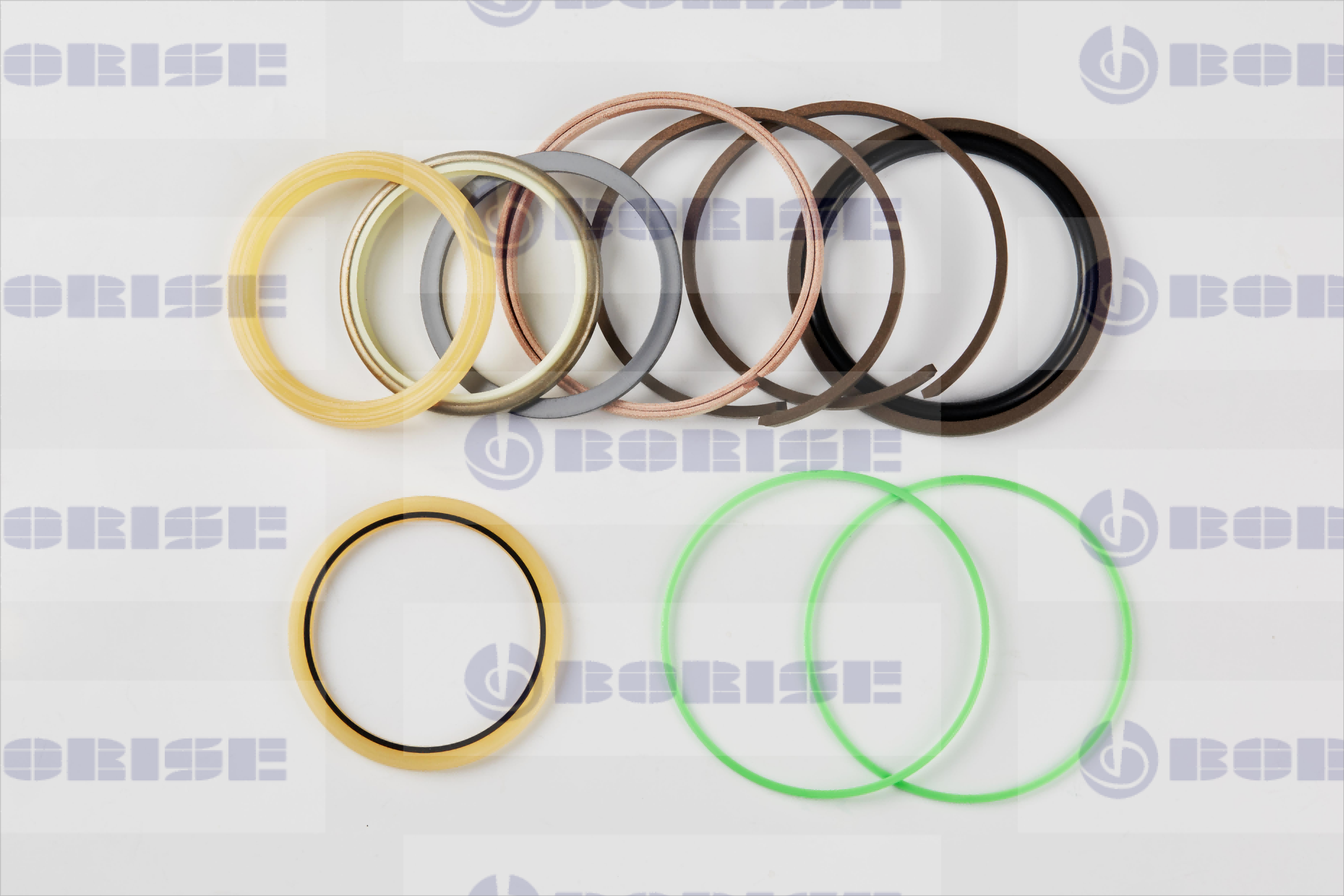
Gear pump seal kits play a vital role in ensuring the smooth operation of hydraulic systems. These kits contain essential components such as O-rings, gaskets, and washers that help maintain hydraulic fluid pressure, prevent leaks, and protect the pump from wear and tear. A high-quality gear pump seal kit can significantly enhance the pump's efficiency and extend its lifespan. Investing time to choose the right seal kit tailored to your specific needs is crucial for long-term performance.
● Overview of Gear Pumps
Gear pumps are widely used in various industries due to their simplicity, reliability, and efficiency. They work by using meshing gears to pump fluid by displacement. Given the importance of precise seal integration in preventing leaks and maintaining pressure, selecting the right seal kit is pivotal.
Identifying Your Gear Pump Model
● Locating Model Numbers
The first step in selecting a gear pump seal kit involves accurately identifying your gear pump model. Typically, the model number provides essential information about the pump's specifications, including dimensions, material types, and operating parameters. This identifier is often found on a nameplate affixed to the pump. However, if the model number is missing or illegible, consulting pump manuals or the manufacturer’s database can be helpful.
● Importance of Accurate Identification
Accurate identification ensures that the selected seal kit matches the pump's original equipment manufacturer (OEM) specifications, thereby offering a perfect fit. This step is crucial to avoid mismatches that could lead to operational inefficiencies or potential damage to the pump. Ensuring compatibility between the seal kit and the gear pump model is a foundational step toward achieving optimal performance.
Understanding Seal Material Options
● Common Materials: Nitrile, Viton, EPDM
The material of the seal is a critical factor in determining its performance and durability under specific operating conditions. Common materials for gear pump seal kits include Nitrile (Buna-N), Viton (FKM), and Ethylene Propylene Diene Monomer (EPDM). Each material has unique properties that make it suitable for specific applications.
● Material Properties and Applications
- Nitrile (Buna-N): Known for its excellent resistance to oil and abrasion, making it suitable for general-purpose applications. However, it has a limited temperature range.
- Viton (FKM): Offers superior chemical and temperature resistance, ideal for high-temperature applications.
- EPDM: Excels in resisting wear, steam, and weathering, suitable for exposure to hydraulic fluids and outdoor environments.
Selecting the appropriate material ensures that the seal can withstand the specific environmental and operational conditions it will encounter.
Measuring Seal Kit Components Correctly
● Best Practices for Accurate Measurements
Measuring the components of a gear pump seal kit accurately is essential to ensure a proper fit. The correct way to measure O-rings and seals is to focus on the grooves where they are seated, rather than the O-rings and seals themselves. This is because the materials may have expanded or contracted due to operational conditions.
● Common Mistakes in Sizing
A common mistake involves removing the seals from their housing to measure them directly. This can lead to inaccurate sizing due to material deformation. Instead, measure the inside diameter (ID), outside diameter (OD), and cross-section (CS) of the grooves to obtain precise dimensions and ensure the seals are neither too tight nor too loose.
Assessing Operating Conditions
● Temperature, Pressure, and Fluid Compatibility
When choosing a gear pump seal kit, understanding the operating conditions of the pump is paramount. Factors such as temperature, pressure, and fluid type significantly influence the selection of seal materials. It is essential to choose seals that can withstand the maximum temperature and pressure the system will experience. Furthermore, ensuring compatibility with the hydraulic fluid used in the pump is critical to prevent premature seal failure.
● Impact on Seal Selection
Operating conditions not only dictate the choice of materials but also affect the seal's design and construction. Selecting a seal designed for specific pressures and temperatures ensures reliability and longevity. Consideration of these factors will guide you in selecting a seal kit that enhances the pump's performance under real-world conditions.
OEM vs. Aftermarket Seal Kits
● Benefits and Drawbacks of Each
Choosing between OEM and aftermarket seal kits involves weighing the benefits and potential drawbacks of each option. OEM kits are designed to match the original pump specifications precisely, ensuring compatibility and reliability. On the other hand, aftermarket kits, often offered by reputable manufacturers such as those in China, can provide high-quality gear pump seal kits at a reduced cost.
● Ensuring Compatibility and Performance
While aftermarket kits may offer economic advantages, it is crucial to ensure they meet the necessary quality standards and specifications. Engaging with a reliable gear pump seal kit manufacturer or supplier can minimize risks associated with compatibility and performance discrepancies. Always evaluate the supplier's reputation, reviews, and compliance with industry standards before making a purchase.
Installation Tips for Gear Pump Seals
● Step-by-step Installation Procedure
Proper installation of gear pump seals is critical for maintaining system integrity and performance. Begin by assembling the necessary tools, including a rubber mallet, torque wrench, and snap ring pliers. Ensure the work area is clean and free of contaminants. Follow the manufacturer's instructions meticulously to avoid common installation errors.
● Tools Required for Seal Replacement
Having the right tools is essential for a smooth installation process. Commonly required tools include box and hex-head wrenches, spanners, and ratchets. Each tool serves a specific purpose, from removing old seals to fitting new ones securely. Proper use of these tools helps prevent damage to the seals and the pump itself, ensuring a successful installation.
Signs of Gear Pump Seal Wear and Damage
● Identifying Symptoms of Seal Failure
Recognizing signs of wear and potential failure in gear pump seals is crucial for timely maintenance and replacement. Common symptoms include fluid leaks, pressure drops, and unusual noises during operation. A sudden decrease in pump performance may also indicate issues with the seals.
● Preventive Measures to Extend Seal Life
Regular inspection and maintenance can significantly extend the life of gear pump seals. Ensuring that the pump operates within specified conditions and using compatible fluids are important preventive measures. Additionally, implementing routine checks to identify wear and addressing issues promptly can prevent extensive damage and costly repairs.
Testing and Verifying Seal Installation
● Post-Installation Testing Methods
After installing a new gear pump seal kit, conducting thorough testing is essential to ensure proper function. Begin by running the pump at normal operating conditions and observe for leaks or pressure inconsistencies. If any issues are detected, revisit the installation process to correct misfits or tighten connections.
● Troubleshooting Common Seal Issues
Common issues faced during post-installation testing include minor leaks due to improper fitting or seal damage. In such cases, rechecking the installation steps and measurements can help identify the root cause. Addressing these issues swiftly ensures the pump returns to optimal performance without compromising system integrity.
Resources for Selecting the Right Seal Kit
● Trusted Suppliers and Manufacturers
Partnering with a reputable gear pump seal kit supplier is key to acquiring high-quality products. Look for suppliers who offer comprehensive warranties and have a proven track record in the industry. Reliable manufacturers often provide extensive support services and detailed product information to assist in the selection process.
● Where to Seek Expert Advice and Support
When in doubt, seeking expert advice from experienced technicians or engineers can provide invaluable guidance. Many manufacturers offer customer support to address technical concerns and assist in choosing the appropriate seal kit. Utilizing such resources ensures an informed decision-making process and optimal gear pump performance.
About BORISE
Hangzhou Ruiwei Machinery Equipment Co., Ltd., operating under the brand name BORISE, is a leading expert in sealing systems. Specializing in the design and production of high-quality polyurethane oil seals, BORISE caters to a diverse range of construction machinery needs, including excavators and hydraulic breakers. The company adopts advanced German technology to produce resilient and wear-resistant seals, ensuring superior performance and reliability. BORISE is a trusted name in the industry, committed to quality and innovation.


- About BORISE
- Company Profile
- About Team
- On Service
- Company Chronology
- Join Us
- technical support
- Industry Solutions
- Technical Support Analysis
Copyright © 2022,All right reserved © Borise Technology Co., Ltd
Hot Products - Sitemap
steering rack pinion seal
, adjuster seal kit
, hydraulic cylinder kits
, john deere hydraulic cylinder rebuild
, case 580k stabilizer cylinder seal kit
, seal kit control valve pc 200 7